🎉 Up to 70% Off Selected ItemsShop Sale
Compendium of Automatic Morse Code
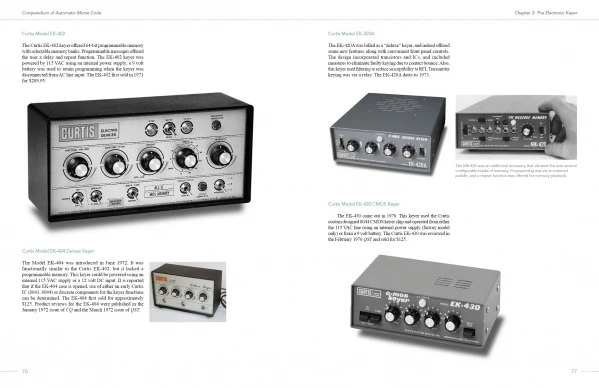
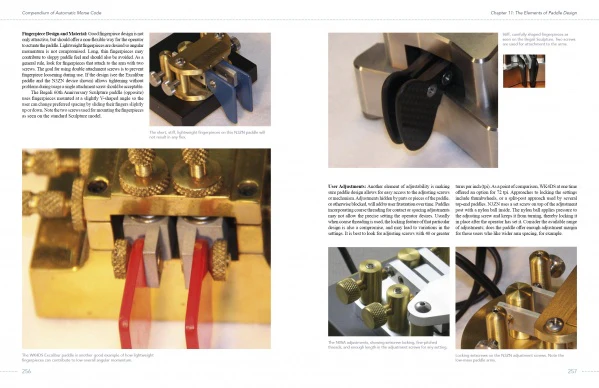
Trace the evolution of automatic Morse code devices from the early 1800s to today through this informative text and over 1,100 photos. Beginning with an overview of telegraphy and early key history, fifteen sections explore the equipment used to send messages over long distances. Featured are code readers, oscillators, Morse trainers, electronic keyers, single- and dual-lever paddles, portable paddles, automatic mechanical keys, accessories, and more. Each device is presented in text and images, some with classic advertisements; this combination allows the reader to appreciate device development and better understand the thinking that went into the design. Paddle and key maintenance and adjustment are also examined, as well as computer interfacing and use of the Internet. The book also includes the results of patent studies and historical research, with many new findings presented, making it a must-have for collectors, ham operators, or anyone interested in the history of these communication devices.[AuthorName]By Ed Goss[/AuthorName][AuthorBio]Ed Goss has been a licensed amateur radio operator (N3CW) for almost 50 years. He operates almost exclusively using Morse code, and collects unique telegraphy devices. Ed is a retired engineer and lives in Forest, Virginia.[/AuthorBio][NumIllustration]1,178 color and b/w images[/NumIllustration][CoAuthor][/CoAuthor][SubTitle][/SubTitle][ColorPattern]1,178 color and b/w images[/ColorPattern]
Product Information
Product Information
Shipping & Returns
Shipping & Returns



Compendium of Automatic Morse Code
Compendium of Automatic Morse Code
Trace the evolution of automatic Morse code devices from the early 1800s to today through this informative text and over 1,100 photos. Beginning with an overview of telegraphy and early key history, fifteen sections explore the equipment used to send messages over long distances. Featured are code readers, oscillators, Morse trainers, electronic keyers, single- and dual-lever paddles, portable paddles, automatic mechanical keys, accessories, and more. Each device is presented in text and images, some with classic advertisements; this combination allows the reader to appreciate device development and better understand the thinking that went into the design. Paddle and key maintenance and adjustment are also examined, as well as computer interfacing and use of the Internet. The book also includes the results of patent studies and historical research, with many new findings presented, making it a must-have for collectors, ham operators, or anyone interested in the history of these communication devices.[AuthorName]By Ed Goss[/AuthorName][AuthorBio]Ed Goss has been a licensed amateur radio operator (N3CW) for almost 50 years. He operates almost exclusively using Morse code, and collects unique telegraphy devices. Ed is a retired engineer and lives in Forest, Virginia.[/AuthorBio][NumIllustration]1,178 color and b/w images[/NumIllustration][CoAuthor][/CoAuthor][SubTitle][/SubTitle][ColorPattern]1,178 color and b/w images[/ColorPattern]
$26.25
Original: $75.00
-65%Compendium of Automatic Morse Code—
$75.00
$26.25Product Information
Product Information
Shipping & Returns
Shipping & Returns
Description
Trace the evolution of automatic Morse code devices from the early 1800s to today through this informative text and over 1,100 photos. Beginning with an overview of telegraphy and early key history, fifteen sections explore the equipment used to send messages over long distances. Featured are code readers, oscillators, Morse trainers, electronic keyers, single- and dual-lever paddles, portable paddles, automatic mechanical keys, accessories, and more. Each device is presented in text and images, some with classic advertisements; this combination allows the reader to appreciate device development and better understand the thinking that went into the design. Paddle and key maintenance and adjustment are also examined, as well as computer interfacing and use of the Internet. The book also includes the results of patent studies and historical research, with many new findings presented, making it a must-have for collectors, ham operators, or anyone interested in the history of these communication devices.[AuthorName]By Ed Goss[/AuthorName][AuthorBio]Ed Goss has been a licensed amateur radio operator (N3CW) for almost 50 years. He operates almost exclusively using Morse code, and collects unique telegraphy devices. Ed is a retired engineer and lives in Forest, Virginia.[/AuthorBio][NumIllustration]1,178 color and b/w images[/NumIllustration][CoAuthor][/CoAuthor][SubTitle][/SubTitle][ColorPattern]1,178 color and b/w images[/ColorPattern]